5 Social Emotional Benefits of Pony Riding for Preschoolers
Introduction
At Ride With Z Pony Lessons (click here to visit their page), I want to teach more than jumping on a pony for a ride. Nurturing the whole child emotionally, socially, and physically is at the heart of my small group lessons. And our pony partner reenforces these social emotional skills for children.
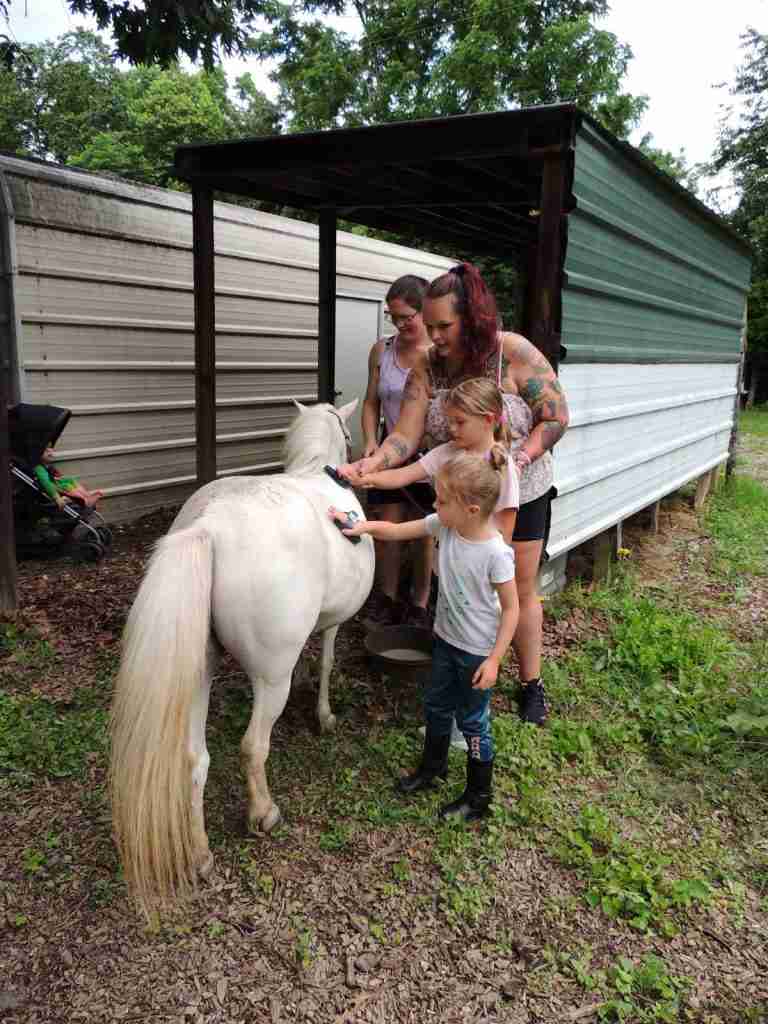
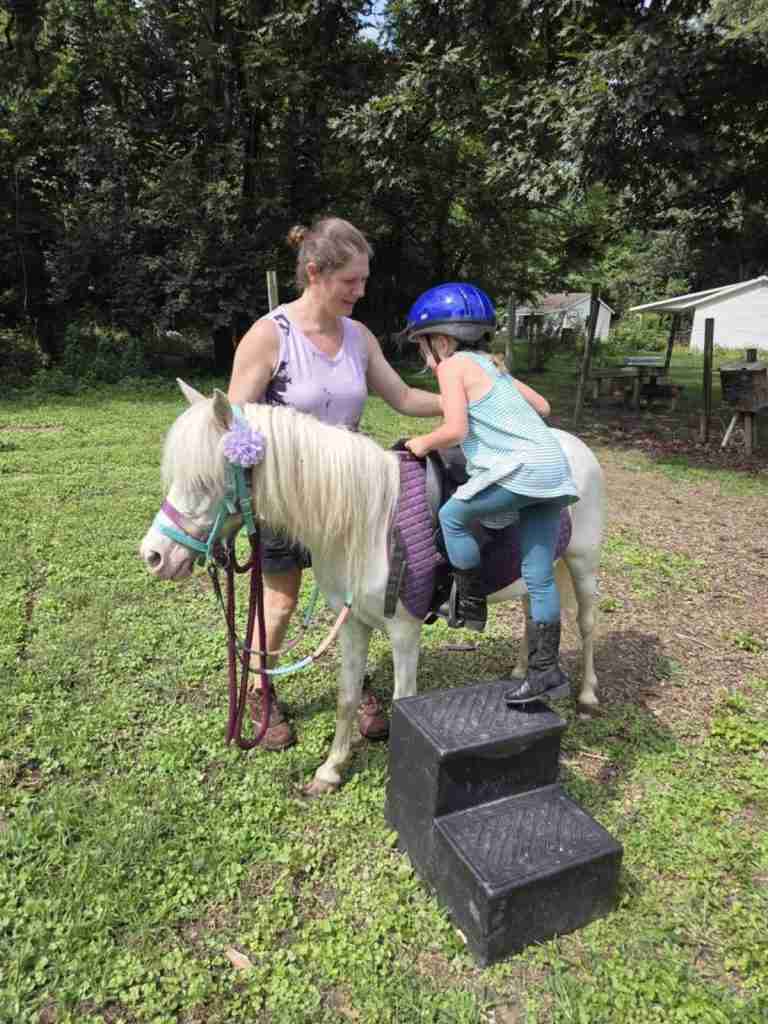
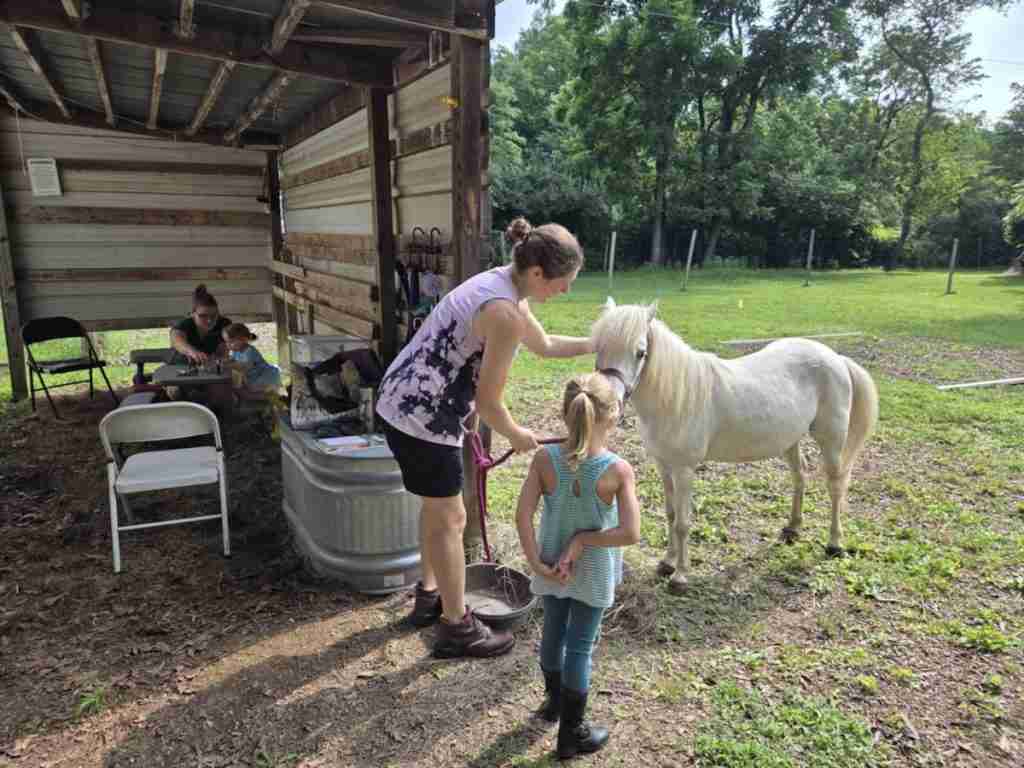
Our sessions begin with group activities like grooming, singing, and learning pony care. This gives kids a chance to interact with their peers and learn in a playful, social setting. Then, each child has an individual riding lesson where they can connect one-on-one with their pony partner and instructor.
Here are 5 social emotional skills for children learned during PAL Around Pony School! (Click here to learn more about the PAL Around Pony School curriculum I use)
1. Practicing Social Cues & Communication
Our group activities offer opportunities to share, take turns, and interact with other children. The one-on-one riding time requires calm cooperation. Children practice listening to directions, respecting space. We work on communicating in ways that help people and ponies feel safe.
2. Feeling Connected
Sometimes children (especially anxious, shy, or still developing their verbal skills) can connect to ponies easier than with people. A calm pony offers a listening ear and builds trust as kids learn to care for their pony partner. Ponies allow children to feel seen and accepted exactly as they are.
3. Emotional Regulation
Children are learning what to do with their feelings and physical energy. Ponies are sensitive to fast movements, loud voices, and big energy. This isn’t a problem—it’s an opportunity. Children must learn how to interact with their pony partner. They need to breathe and slow down. When you sign up for a Session (click here to sign up) your child will practice once weekly for 4 weeks. Repetition helps them practice managing their emotions in a meaningful way.
4. Developing Empathy
Ponies are living beings with feelings and personalities! Children learn to watch how their pony partner responds to their movements and voice. We build weekly on this awareness and it naturally fosters empathy. Empathy is really a skill that we need to foster strong relationships throughout life.
5. Building Confidence
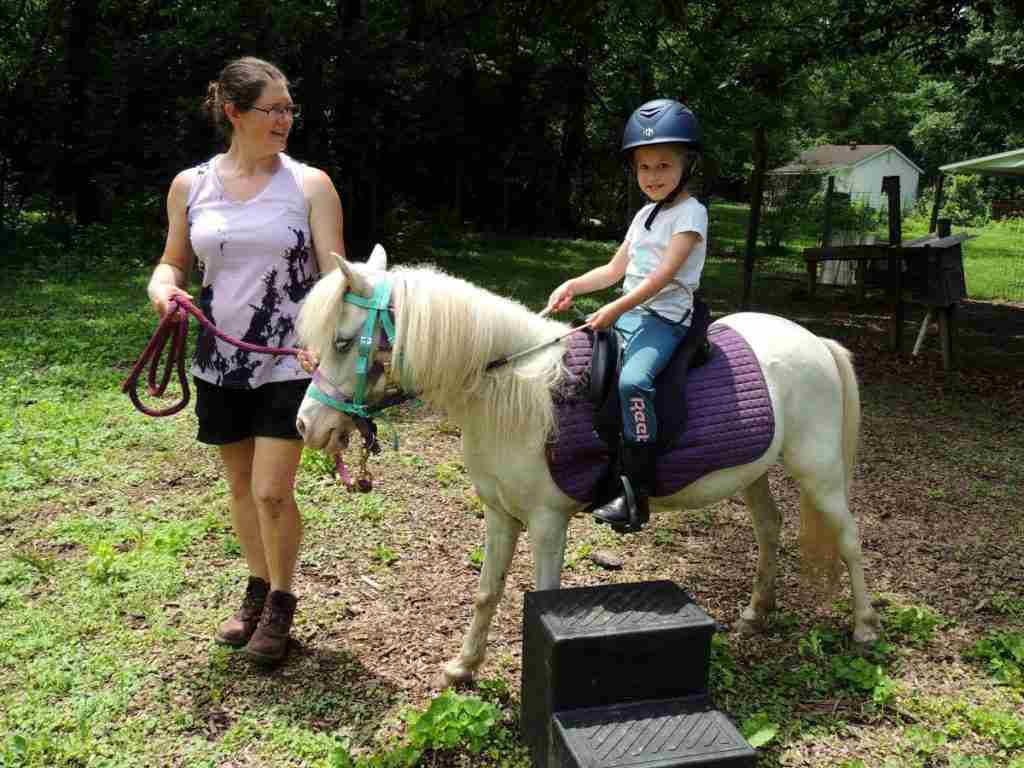
There’s nothing quite like the feeling of riding a pony. But it takes courage to put a foot in the stirrup and swing a leg over a pony. So small milestones like putting on a helmet or learning how to brush a pony build a sense of “I can do this!” We take our time before riding to become comfortable around the pony and never force children to ride. Confidence earned taking care of a pony and in the saddle often carries over to other areas of life. (Click here to read my blog post 5 Ways Pony Lessons Build Confidence in Children)
3 Ways Parents Can Support Social Emotional Skills for Children
- Name Emotions
See a smile on your child’s face? Remind them they are “happy”. If they seem anxious, try naming it: “You’re feeling nervous. It’s ok I’m here with you.” Learning to name feelings help children understand how to respond to feelings.
- Emotional Check-Ins
In PAL Around Pony School we ask, “How do you think the pony is feeling today?” At home you can ask, “How did you feel during your ride with Zony the Pony?” or “What did we do to stay calm around the pony?”
- Practice “pony pace” at home
We teach children to move slowly and calmly around our pony partners. Use the idea of “pony pace” at home by saying, “Let’s move like we do at the farm—slow and steady.”
Conclusion
Pony time is more than just a pony riding lesson for toddlers—it’s social emotional skills for children. Whether your child is a social butterfly or more reserved, time with ponies can help them feel calmer, braver, and more connected with themselves and their animal partners. Click here and sign up for free pony printables for your preschooler!